Force-Free vs Traditional Puppy Training: What’s the Difference?
Choosing how to train your puppy can feel overwhelming—especially when different trainers give conflicting advice.
Let’s break down the key differences so you can make the right choice.
⚖️ Force-Free Training
Focuses on:
Rewarding desired behaviour
Preventing mistakes
Creating positive learning experiences
Results in:
Confident puppies
Strong owner-dog relationships
Reliable long-term behaviour
⚠️ Traditional Training
Often focuses on:
Correcting unwanted behaviour
Using punishment or pressure
Expecting obedience without understanding
Can result in:
Fear or avoidance
Suppressed behaviour (not truly resolved)
Increased stress
🧠 Why This Matters for Puppies
Puppies are constantly learning about the world.
Early experiences shape:
Confidence
Social behaviour
Emotional responses
Using force-free methods helps ensure those experiences are positive.
🐾 Real-Life Example
Instead of correcting a puppy for jumping up:
✔ Force-free approach: reward calm greetings
✖ Traditional approach: push or correct the puppy
One teaches what to do—the other can create confusion.
🎯 Looking for ethical, effective training?
At College 4 Canines, all training is:
Force-free
Science-based
Designed for real-life success
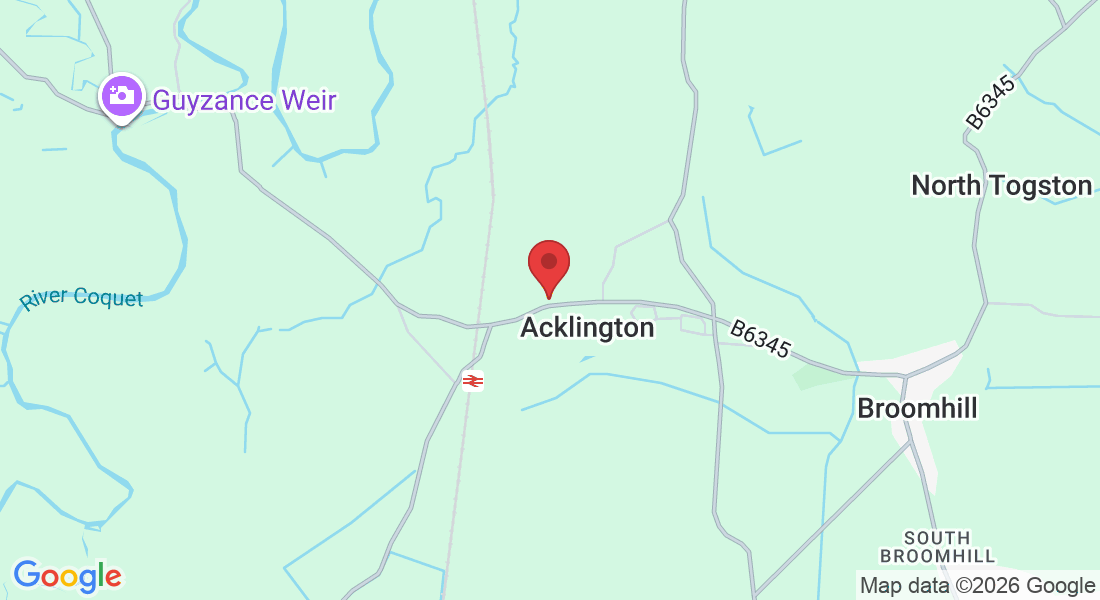
👉 Are you based in Northumberland? Online tips are a great start, but hands-on feedback stops puppy frustrations much faster. Join our Perfect Puppy Classes at Acklington Village Hall
https://college4canines.co.uk/puppy-classes-northumberland
Author
Written by Denise Devereux Bsc (Hon) Canine Behaviour, FdSc Applied Canine Behaviour & Training. Denise is an accredited force-free behaviourist currently completing her MSc in Clinical Animal Behaviour at the University of Edinburgh
https://college4canines.co.uk/about-us
©️College 4 Canines