Why Dogs Bark at Other Dogs: Understanding Reactive Behaviour Using Force-Free Training
Why Dogs Bark at Other Dogs: Understanding Reactive Behaviour Using Force-Free Training
Understanding Why Dogs Bark at Other Dogs
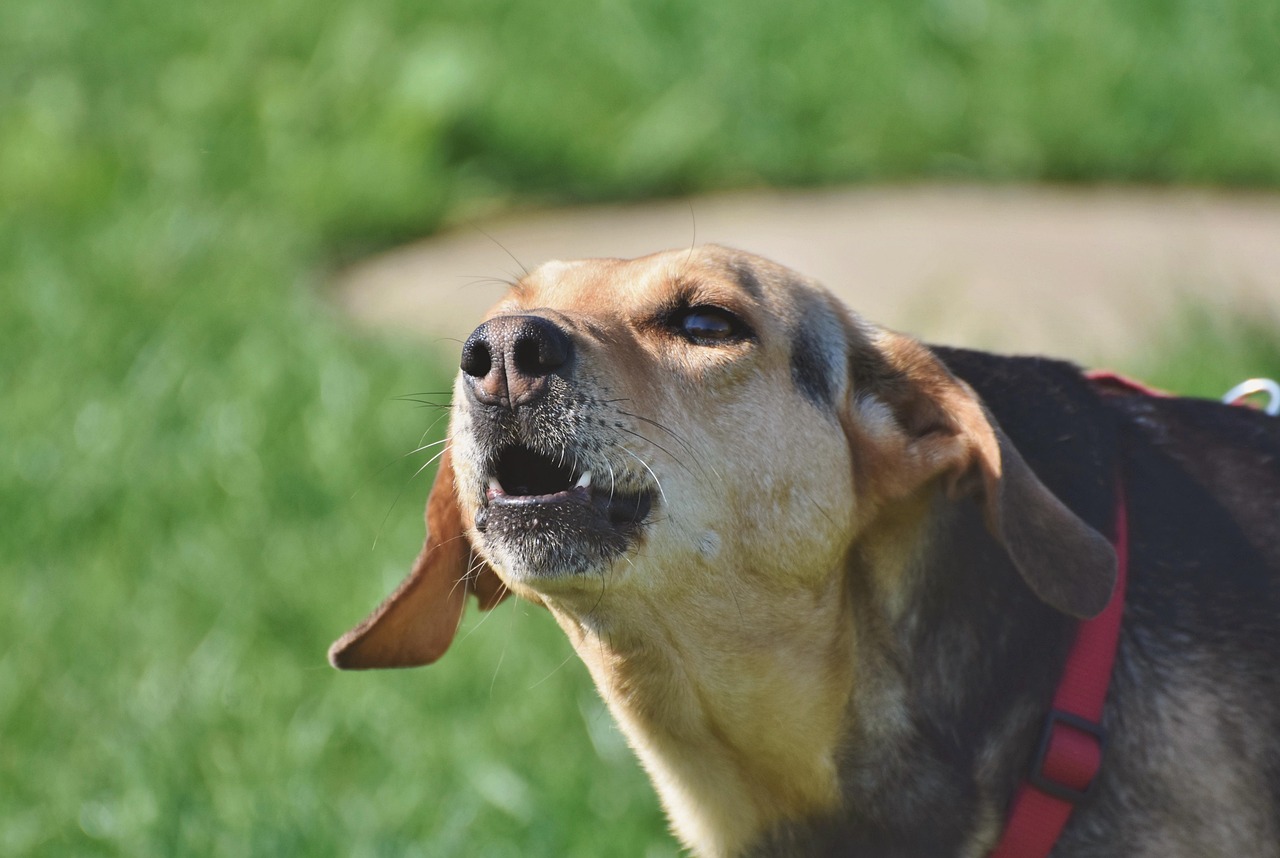
Barking at other dogs is one of the most common behavioural concerns owners seek help for. Walks that were once enjoyable can quickly become stressful when a dog begins barking, lunging, whining, or reacting intensely around other dogs.
Many owners are told their dog is being:
Dominant
Naughty
Stubborn
Protective
Aggressive
In reality, most reactive barking is rooted in emotion rather than disobedience.
Dogs bark at other dogs for many different reasons, including:
Fear
Anxiety
Frustration
Over-arousal
Excitement
Previous negative experiences
Lack of social confidence
Learned associations
Understanding the emotional cause behind barking is essential for creating effective, force-free behaviour change.
What Is Reactive Dog Behaviour?
Reactive dogs tend to respond excessively to specific triggers.
Common reactive behaviours include:
Barking
Lunging
Growling
Whining
Spinning
Freezing
Pulling towards or away from triggers
Reactivity is often a sign that a dog is struggling emotionally in a situation.
Force-free dog training focuses on helping dogs feel safer, calmer, and more capable around their triggers.
Why Punishment Often Makes Barking Worse
Many traditional training approaches attempt to stop barking using:
Lead corrections
Slip leads
Prong collars
Shock collars
Verbal punishment
Physical corrections
While these methods may suppress barking temporarily, they often increase:
Fear
Anxiety
Stress
Frustration
Negative emotional associations
For example, if a dog already feels worried about other dogs, adding pain or intimidation when another dog appears can make the emotional response even stronger.
Force-free training focuses on changing how the dog feels — not simply suppressing behaviour.
Understanding Thresholds
Every dog has a threshold.
A threshold is the point at which a dog becomes too emotionally overwhelmed to learn, think clearly, or respond calmly.
When dogs go over threshold, owners may see:
Barking
Lunging
Vocalising
Pulling
Hyper-fixation
Inability to take food
Ignoring cues
Distance plays a huge role.
A dog may feel comfortable observing another dog from 50 metres away but become overwhelmed at 10 metres.
Working below threshold is one of the foundations of successful reactive dog training.
Common Reasons Dogs Bark at Other Dogs
Fear-Based Reactivity
Many reactive dogs are attempting to create distance from something they find worrying.
Barking can function as:
“Please stay away from me.”
These dogs often benefit from increasing distance, reducing pressure, and building positive associations.
Frustration-Based Reactivity
Some dogs desperately want to greet or interact but become frustrated by lead restraint.
This frustration can result in:
Barking
Whining
Lunging
Spinning
These dogs often need support with impulse control, calmness, and engagement.
Learned Behaviour
If barking repeatedly causes other dogs to move away, the behaviour may become reinforced over time.
The dog learns:
“Barking works.”
This does not mean the dog is choosing to be difficult.
It means the behaviour has successfully reduced discomfort or frustration in the past.
To help understand why your dog barks at other dogs and how to stop it then we can help!
Struggling with a reactive dog? Secure a free 15-minute phone assessment to discuss a tailored plan. No judgment, just science-backed support
https://college4canines.co.uk/behaviour-northumberland
Author
Written by Denise Devereux Bsc (Hon) Canine Behaviour, FdSc Applied Canine Behaviour & Training. Denise is an accredited force-free behaviourist currently completing her MSc in Clinical Animal Behaviour at the University of Edinburgh
https://college4canines.co.uk/about-us
©️College 4 Canines