Understanding Dog Adolescence: Why Training Suddenly Feels Harder
Understanding Dog Adolescence: Why Training Suddenly Feels Harder
What Is Dog Adolescence?
Many owners feel frustrated when their previously responsive puppy suddenly appears distracted, excitable, or forgetful.
This stage is known as adolescence.
Dog adolescence typically occurs between:
6–18 months
depending on breed and individual development.
Adolescence is a completely normal developmental stage involving:
Hormonal changes
Brain development
Emotional changes
Increased independence
Heightened environmental interest
Common Adolescent Dog Behaviours
Owners often notice:
Reduced recall
Increased pulling
Excitability
Barking
Frustration
Increased distraction
Selective listening
Reduced impulse control
This does not mean training has failed.
The adolescent brain is still developing.
Why Punishment Often Backfires
Adolescent dogs are highly sensitive emotionally.
Harsh training methods can increase:
Fear
Anxiety
Frustration
Reactivity
Conflict
Force-free training supports learning while protecting emotional wellbeing and trust.
Adjusting Expectations During Adolescence
Many owners expect linear progress.
In reality, training often fluctuates during developmental stages.
Temporary regression is normal.
Focus on:
Consistency
Management
Reinforcement
Gradual progression
rather than perfection.
Supporting Adolescent Dogs Successfully
Continue Reinforcing Basics
Revisit:
Recall
Loose lead walking
Calmness
Engagement
Settling
Dogs often need refresher training during adolescence.
Manage the Environment
Preventing rehearsal of unwanted behaviour is important.
Helpful management strategies include:
Long lines
Controlled environments
Increased distance from distractions
Structured routines
Increase Mental Enrichment
Adolescent dogs often benefit from:
Scentwork
Puzzle toys
Training games
Food enrichment
Problem-solving activities
Mental stimulation helps reduce frustration and boredom.
Prioritise Sleep and Recovery
Overtired adolescent dogs often struggle emotionally.
Adequate rest supports learning and regulation.
Socialisation During Adolescence
Social experiences remain important beyond puppyhood.
Continue creating positive experiences with:
Dogs
People
Environments
Sounds
Handling
Avoid overwhelming or flooding experiences.
Why Adolescent Dogs Become More Reactive
Some dogs become more sensitive to triggers during adolescence.
This can include:
Barking at dogs
Pulling towards distractions
Increased vigilance
Frustration behaviours
Force-free training focuses on helping dogs feel safe and capable rather than suppressing emotional responses.
The Importance of Lifeskills Training
Structured adolescent training classes can help dogs:
Improve focus
Work around distractions
Build emotional regulation
Strengthen recall
Develop calmness
Positive reinforcement helps adolescent dogs remain engaged and motivated during this challenging stage.
Final Thoughts
Dog adolescence is a normal developmental period — not a sign of stubbornness or dominance.
With patience, management, enrichment, and force-free training, adolescent dogs can successfully develop into calm, reliable adult dogs.
Consistency, realistic expectations, and positive reinforcement are the foundations of successful adolescent dog training.
If you need help with your adoelscent dog then we can help!
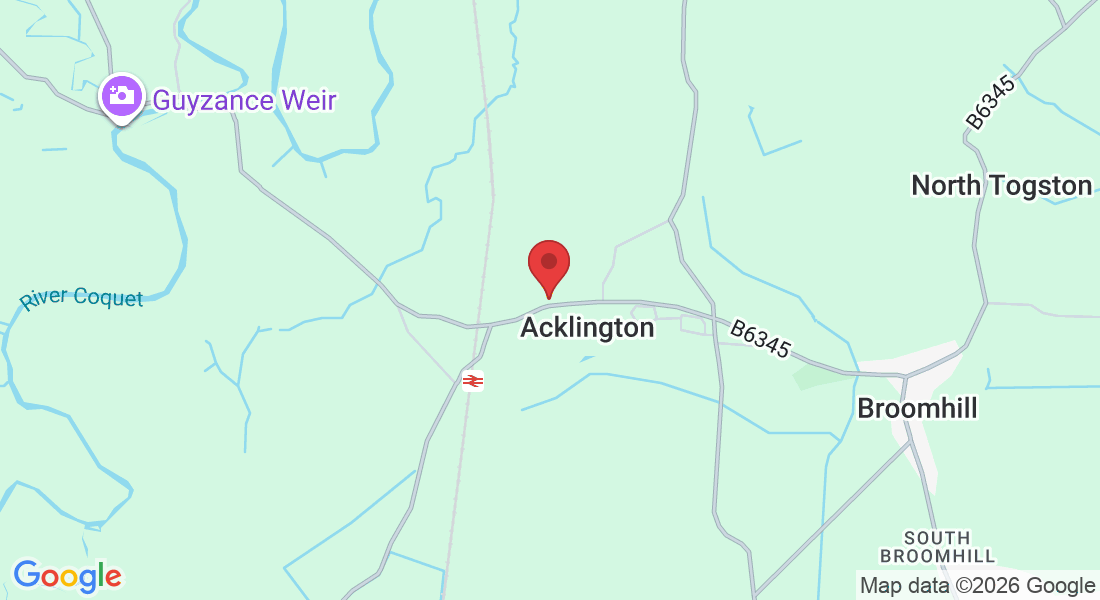
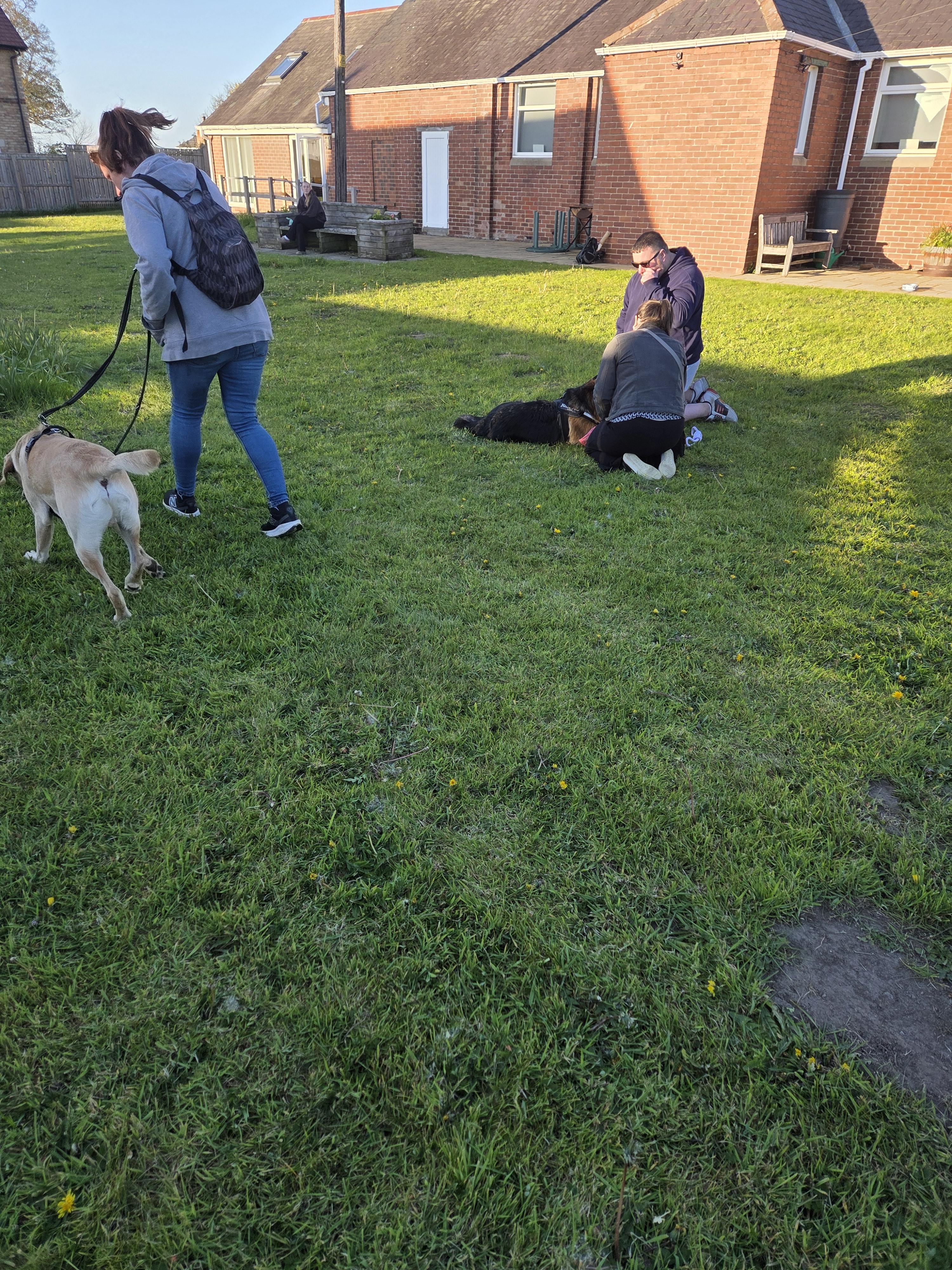
Are you based in Northumberland? Online tips are a great start, but hands-on feedback stops teenage frustrations much faster. Join our Lifeskills Classes at Acklington Village Hall.
https://college4canines.co.uk/lifeskills-classes-northumberland
If you cant attend classes then don't worry, we got you! We also offer 1:1 training throughout Northumberland where we come to you. Book a Free Assessment Call and we can create a personalised training plan for you and your dog.
https://college4canines.co.uk/behaviour
Author
Written by Denise Devereux Bsc (Hon) Canine Behaviour, FdSc Applied Canine Behaviour & Training. Denise is an accredited force-free behaviourist currently completing her MSc in Clinical Animal Behaviour at the University of Edinburgh
https://college4canines.co.uk/about-us
©️College 4 Canines