Puppy Biting: Force-Free Solutions That Actually Work
Puppy Biting: Force-Free Solutions That Actually Work
Why Puppies Bite
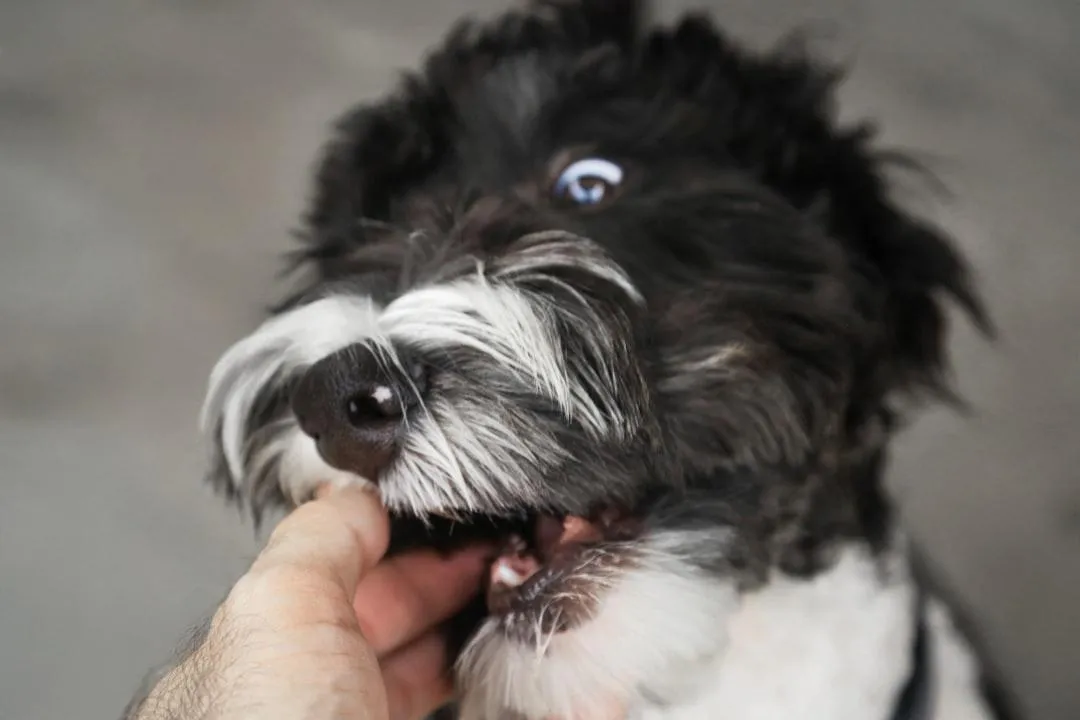
Puppy biting is one of the most common struggles new dog owners face. If you have a young puppy constantly grabbing hands, clothing, feet, or furniture with sharp little teeth, you are not alone. The good news is that puppy biting is completely normal developmental behaviour.
Puppies explore the world with their mouths in the same way babies use their hands. Biting and mouthing help puppies:
Explore their environment
Relieve teething discomfort
Learn bite inhibition
Initiate play
Burn excess energy
Communicate excitement or frustration
The important thing to remember is that puppies are not being “naughty” or “dominant.” They are simply behaving like puppies.
At College 4 Canines, we use force-free puppy training methods that focus on teaching puppies what to do instead of punishing natural behaviours.
Why Punishment Makes Puppy Biting Worse
Many outdated training methods recommend:
Holding a puppy’s mouth shut
Tapping the nose
Yelling “NO”
Alpha rolling
Scruffing
Using aversive sprays
These methods can increase fear, frustration, and over-arousal, often making biting worse over time.
Force-free puppy training focuses on:
Preventing rehearsal of biting
Teaching appropriate alternatives
Reinforcing calm behaviour
Managing the environment
Supporting emotional regulation
Positive reinforcement builds trust and confidence while helping puppies learn safely.
Understanding Puppy Teething
Most puppies begin teething around 12 weeks and continue until approximately 6 months of age.
During this period, puppies may:
Bite more intensely
Seek out chewing opportunities
Become more frustrated
Struggle to settle
Need additional sleep
Providing appropriate chewing outlets is essential.
Good puppy-safe chew options include:
Rubber enrichment toys
Puppy-safe chews
Frozen carrots
Lick mats
Stuffed Kongs
Soft puppy toys
Rotating enrichment regularly helps prevent boredom and reduces unwanted biting behaviour.
How to Stop Puppy Biting Using Force-Free Methods
1. Redirect to Appropriate Toys
If your puppy begins biting hands or clothing, calmly redirect them onto an appropriate toy.
Keep toys easily accessible around the house so you can quickly swap inappropriate biting for acceptable chewing.
Reward your puppy when they engage with the toy.
2. Reinforce Calm Behaviour
Many puppies bite when they become over-tired or over-stimulated.
Reward calm behaviours such as:
Settling on a mat
Lying quietly
Chewing calmly
Relaxing beside you
Puppies need significant sleep each day — often 18–20 hours.
Overtired puppies frequently become bitey puppies.
3. Use Management Strategies
Preventing repeated rehearsal is important.
Helpful management strategies include:
Using baby gates
Using pens
Supervising interactions
Providing regular naps
Reducing over-arousal
Limiting chaotic play
Management is not avoidance — it is helping your puppy succeed.
4. Avoid Physical Punishment
Physical corrections may suppress behaviour temporarily but often increase anxiety and damage trust.
Force-free dog training focuses on long-term emotional wellbeing and reliable learning.
5. Teach Appropriate Play Skills
Structured play helps puppies learn impulse control and appropriate interaction.
Games such as:
Tug with rules
Find it games
Food enrichment
Scentwork games
Recall games
can help channel natural puppy behaviours positively.
Common Mistakes Owners Make
Expecting Too Much Too Soon
Young puppies have very limited impulse control.
Training should focus on gradual learning rather than perfection.
Over-Exercising Puppies
Too much physical exercise can actually increase over-arousal and biting.
Mental enrichment and appropriate rest are equally important.
Inconsistency
Everyone in the household should respond consistently to puppy biting.
Mixed responses can confuse puppies and slow progress.
When Does Puppy Biting Improve?
Most puppies show significant improvement between 5–7 months as:
Teething ends
Impulse control develops
Training progresses
Emotional regulation improves
Consistency and patience are essential.
Professional Puppy Training Support
Professional force-free puppy classes can help owners:
Understand puppy behaviour
Prevent unwanted habits
Improve focus and calmness
Build engagement
Teach life skills safely
At College 4 Canines, our puppy classes in Northumberland focus on creating confident, well-adjusted puppies using ethical, science-based training methods. Whether you need help with puppy biting, socialisation, recall, or loose lead walking, positive reinforcement training helps build lifelong skills while protecting your relationship with your dog.
View more about our Perfect Puppy Classes in Morpeth, Northumberland at;
https://college4canines.co.uk/puppy-classes-northumberland
Final Thoughts
Puppy biting is a normal developmental stage — not bad behaviour.
Using force-free puppy training methods allows puppies to learn safely and confidently while building trust and emotional resilience.
With patience, management, enrichment, and positive reinforcement, most puppies develop excellent bite inhibition and calmer behaviour as they mature.
If you are struggling with puppy biting, professional puppy classes can provide guidance, structure, and support during this important developmental stage.
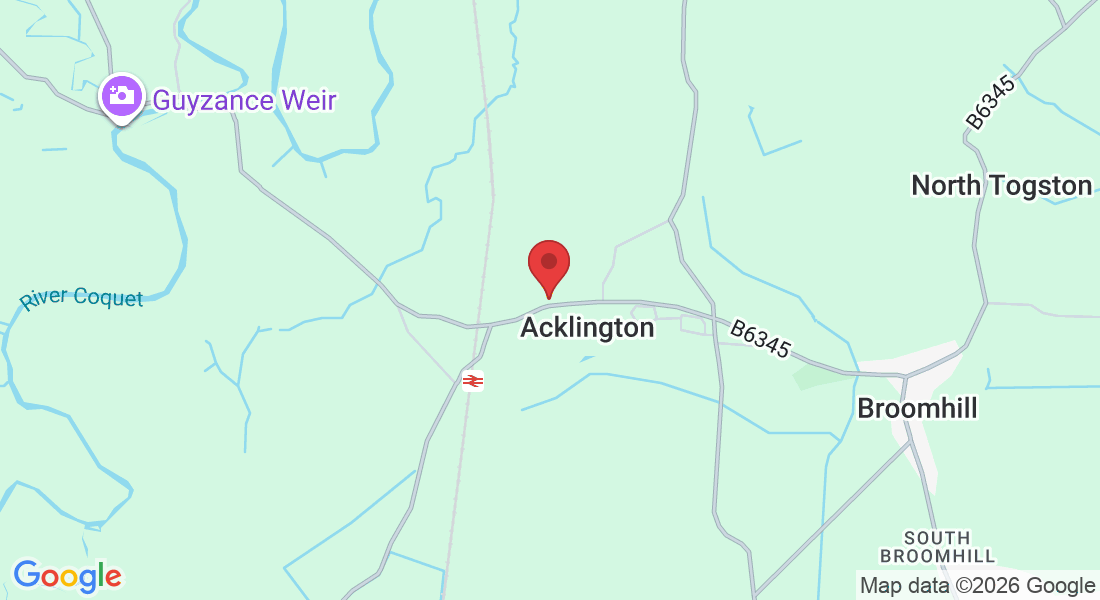
Are you based in Northumberland? Online tips are a great start, but hands-on feedback stops puppy frustrations much faster. Join our Perfect Puppy Classes at Acklington Village Hall.
https://college4canines.co.uk/puppy-classes-northumberland
Author
Written by Denise Devereux Bsc (Hon) Canine Behaviour, FdSc Applied Canine Behaviour & Training. Denise is an accredited force-free behaviourist currently completing her MSc in Clinical Animal Behaviour at the University of Edinburgh
https://college4canines.co.uk/about-us
©️College 4 Canines