Dog Lunging on Walks: Understanding and Improving Reactivity Using Force-Free Training
Dog Lunging on Walks: Understanding and Improving Reactivity Using Force-Free Training
Why Dogs Lunge on the Lead
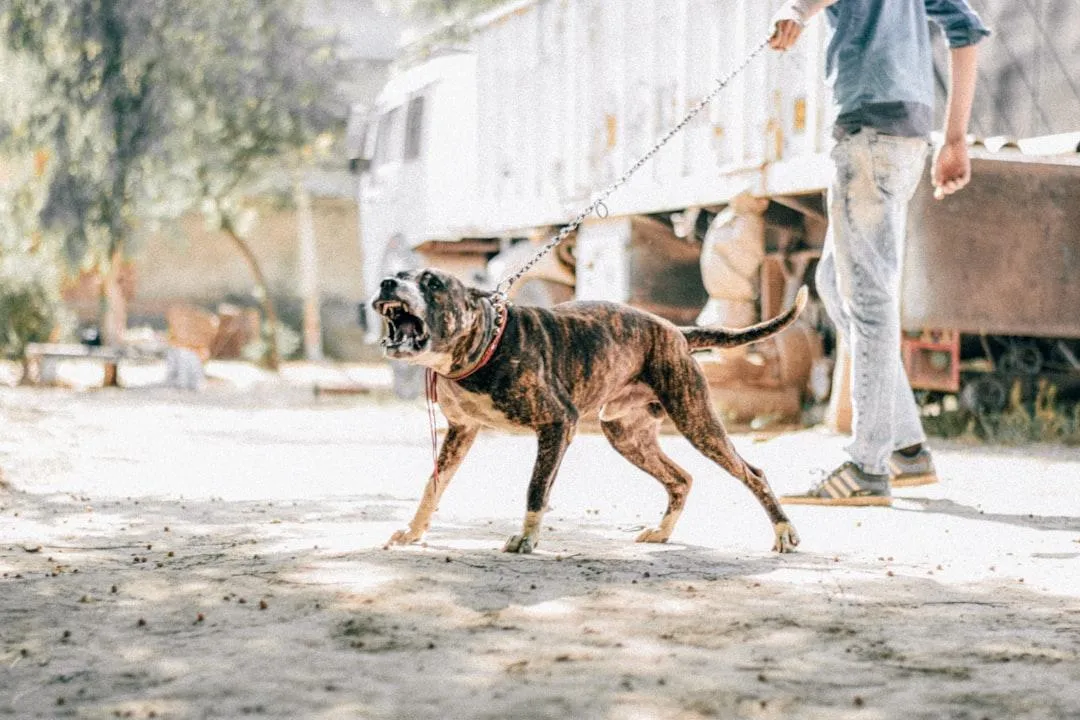
Lunging on walks can feel embarrassing, stressful, and difficult to manage.
Many owners worry their dog is aggressive when they bark and lunge towards dogs, people, bicycles, or other triggers.
In reality, lunging is often driven by emotion rather than aggression.
Dogs may lunge because of:
Fear
Frustration
Excitement
Anxiety
Over-arousal
Learned behaviour
Lack of coping skills
Understanding why the behaviour happens is the first step towards helping your dog successfully.
Lead Frustration and Restricted Movement
Leads naturally restrict movement.
Dogs who want to:
Greet
Investigate
Escape
Increase distance
may become frustrated when physically restrained.
This frustration can escalate into:
Pulling
Barking
Lunging
Spinning
Vocalising
Force-free dog training focuses on helping dogs cope emotionally while teaching practical alternative skills.
Why Punishment Often Escalates Lunging
Traditional training tools such as:
Slip leads
Prong collars
Lead corrections
Shock collars
may interrupt behaviour temporarily but often increase stress and emotional conflict.
If a dog already feels uncomfortable around other dogs, adding discomfort when another dog appears can strengthen the negative emotional association.
Force-free training focuses on reducing emotional overwhelm rather than suppressing communication.
Understanding Thresholds in Reactive Dogs
A dog’s threshold refers to the point at which they become too emotionally overwhelmed to cope calmly.
Below threshold, dogs can usually:
Take food
Respond to cues
Observe calmly
Learn effectively
Over threshold, dogs may:
Bark intensely
Lunge
Ignore food
Hyper-fixate
Lose focus completely
Distance is often the key factor.
Working below threshold allows dogs to remain emotionally regulated enough for learning to occur.
Trigger Stacking and Walk-Time Reactions
Reactive behaviour is rarely caused by a single trigger alone.
Stress can accumulate throughout the day through:
Poor sleep
Busy environments
Previous triggers
Pain or discomfort
Frustration
Lack of recovery time
This process is known as trigger stacking.
A dog who encounters multiple stressful experiences may react far more intensely later because their stress levels are already elevated.
Reducing overall stress can significantly improve reactive behaviour.
Counter Conditioning for Lunging Dogs
Counter conditioning helps dogs form new emotional associations with triggers.
The goal is to teach:
Trigger appears = positive outcome
rather than:
Trigger appears = fear/frustration
This is achieved by pairing the presence of triggers with things the dog loves.
Examples include:
High-value treats
Toys
Sniffing opportunities
Distance
Play
Over time, emotional responses can gradually improve.
Practical Force-Free Training Exercises
Pattern Games
Predictable games help dogs feel safer and more regulated.
Examples include:
1-2-3 walking
Up/down feeding
Find it games
Predictability can reduce anxiety during walks.
Emergency U-Turns
Teaching dogs to turn away calmly from triggers can prevent overwhelm.
Practise in low-distraction environments first.
Reinforcing Engagement
Reward voluntary check-ins and focus.
Dogs who frequently orient back to their owner often cope better around distractions.
Why Flooding Is Risky
Flooding occurs when dogs are repeatedly exposed to overwhelming situations without adequate escape or recovery.
Examples include:
Busy dog parks
Crowded walking routes
Forced greetings
Repeated close encounters
Flooding can increase stress and worsen reactivity.
Gradual exposure below threshold is far more effective.
Common Reactive Dog Training Mistakes
Walking Too Close to Triggers
Distance is one of the most powerful behaviour modification tools.
Expecting Constant Improvement
Progress often fluctuates.
Stress, adolescence, and environmental changes can temporarily affect behaviour.
Focusing Only on Obedience
Reactive dogs need emotional support, not just cues.
Helping dogs feel safer is essential.
When to Seek Professional Help
Professional force-free behaviour support can help owners:
Understand triggers
Develop structured training plans
Improve confidence
Prevent escalation
Reduce stress safely
Reactive behaviour is highly individual and should be approached compassionately.
Final Thoughts
Lunging is usually a sign that a dog is struggling emotionally — not being dominant or stubborn.
Force-free reactive dog training focuses on understanding thresholds, reducing trigger stacking, building positive associations, and supporting emotional regulation.
With patience, management, and positive reinforcement, many reactive dogs can learn to feel calmer and more confident during walks.
To help understand why your dog lunges on walks Book a Free Assessment Call with our qualified Dog Behaviourist. We offer 1:1 training for reactive dogs throughout Northumberland and can help determine why your dog lunges, and create a personalized training plan to help your dog.
Struggling with a reactive dog? Secure a free 15-minute phone assessment to discuss a tailored plan. No judgment, just science-backed support
https://college4canines.co.uk/behaviour-northumberland
Author
Written by Denise Devereux Bsc (Hon) Canine Behaviour, FdSc Applied Canine Behaviour & Training. Denise is an accredited force-free behaviourist currently completing her MSc in Clinical Animal Behaviour at the University of Edinburgh.
https://college4canines.co.uk/about-us
©️College 4 Canines